Algorithms
MODIFIED GROTH
In 1986, Dr. Edward Groth published a pattern-matching algorithm for comparing coordinates of stars in the night sky. We use an adaptation of this algorithm to match individual animals using the coordinates of their spots. Learn more about Modified Groth.
I3S
The I3S algorithm was developed in 2007 for pattern-matching of the spotted ragged-tooth shark (Carcharias taurus). Since then, the algorithm has proven effective for other species with spots. Learn more about I3S.
HOTSPOTTER
Hotspotter is a SIFT-based computer vision algorithm. It analyzes the textures in an image to find distinct patterning, or "hot spots", and then compares those against other images in the database. Unlike machine learning-based approaches, HotSpotter can help build new catalogs for new species that need to match individuals but don’t have the training data yet for machine learning-based approaches. Hotspotter can also match new individuals without the need for network retraining. Hotspotter produces a ranked list of potential matches, increasing match scores with increasing similarity. Learn more about Hotspotter.
In 1986, Dr. Edward Groth published a pattern-matching algorithm for comparing coordinates of stars in the night sky. We use an adaptation of this algorithm to match individual animals using the coordinates of their spots. Learn more about Modified Groth.
I3S
The I3S algorithm was developed in 2007 for pattern-matching of the spotted ragged-tooth shark (Carcharias taurus). Since then, the algorithm has proven effective for other species with spots. Learn more about I3S.
HOTSPOTTER
Hotspotter is a SIFT-based computer vision algorithm. It analyzes the textures in an image to find distinct patterning, or "hot spots", and then compares those against other images in the database. Unlike machine learning-based approaches, HotSpotter can help build new catalogs for new species that need to match individuals but don’t have the training data yet for machine learning-based approaches. Hotspotter can also match new individuals without the need for network retraining. Hotspotter produces a ranked list of potential matches, increasing match scores with increasing similarity. Learn more about Hotspotter.
Species
STEREOLEPIS GIGAS
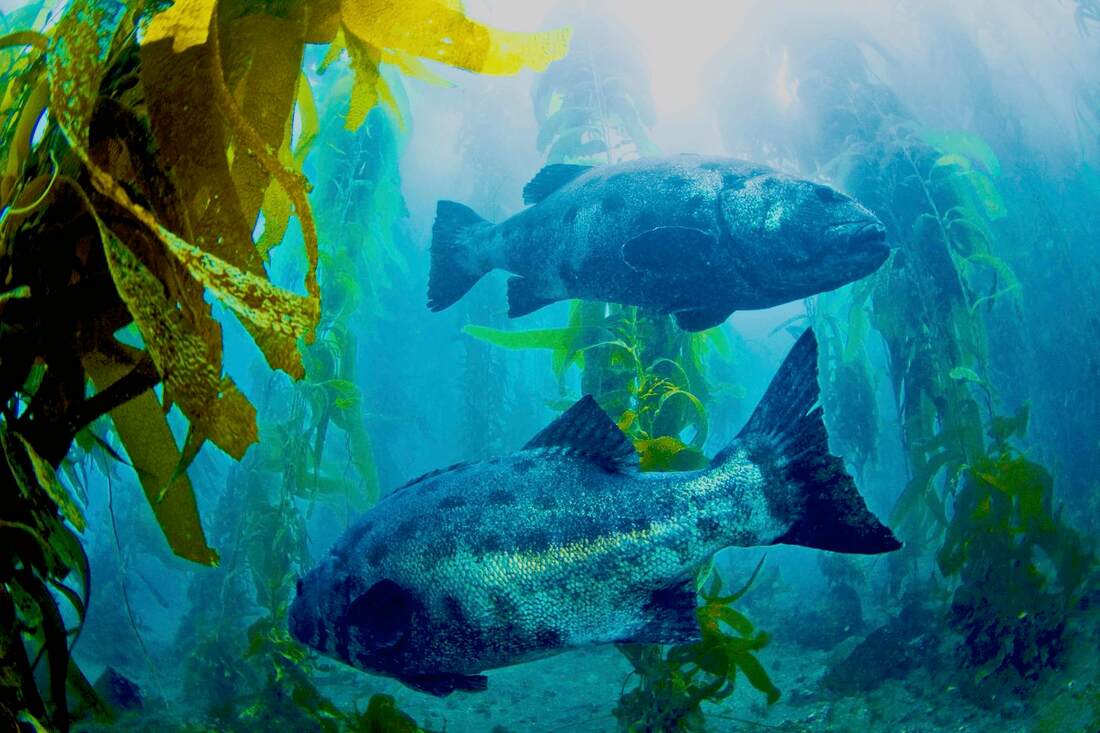
Giant sea bass
Giant sea bass
